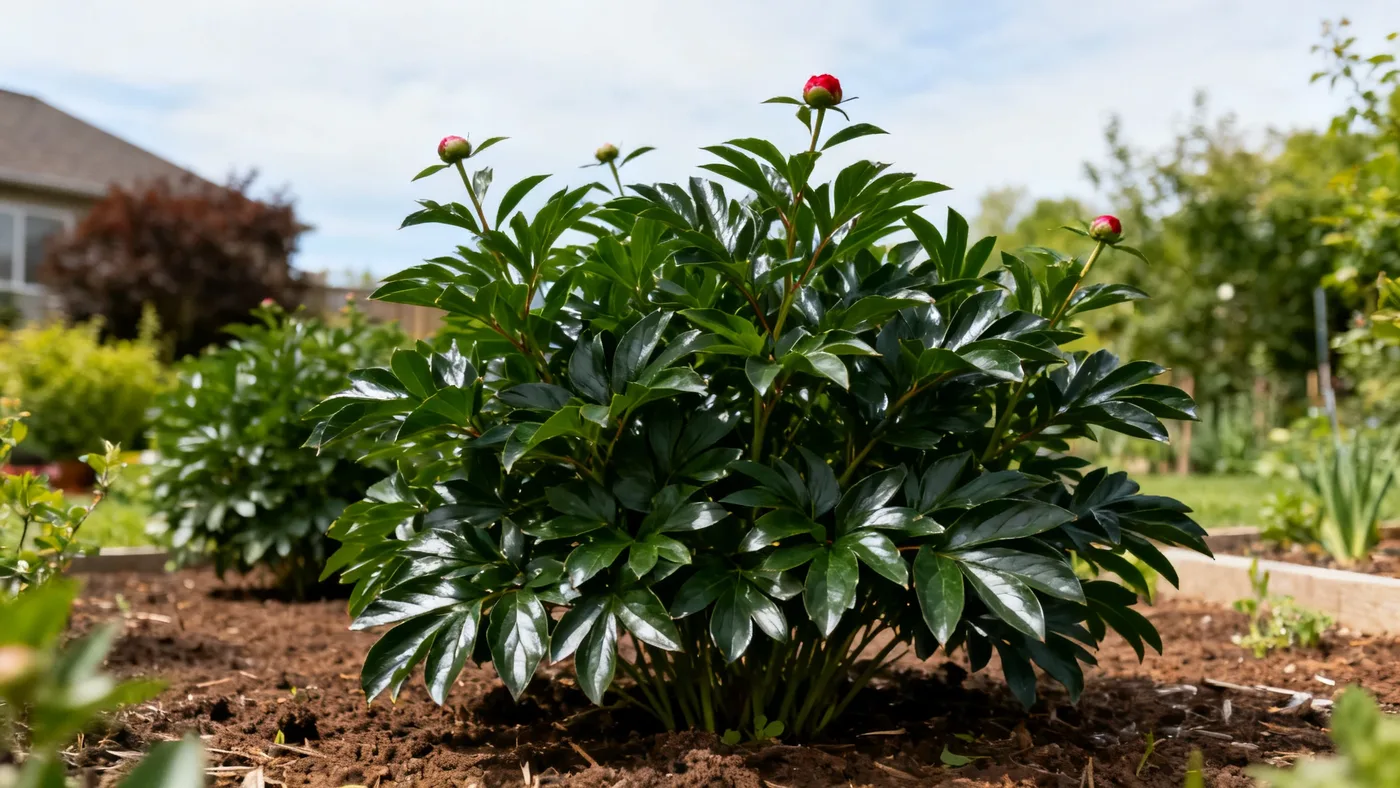
What Hardiness Zones Are Best for Red Sarah Bernhardt Peony?
Red Sarah Bernhardt Peony is a cold-hardy, long-lived perennial that thrives across much of North America. If you're wondering whether this plant will survive your winters or bloom reliably in your climate, this guide answers the most common questions about zone requirements, frost risks, and regional growing success.
Zone Overview and Hardiness
What USDA hardiness zones does Red Sarah Bernhardt Peony grow in?
Red Sarah Bernhardt Peony is hardy in USDA zones 3 through 8. This means the plant reliably survives winter temperatures in these regions and returns from dormancy each spring. If you live outside this range, the peony may struggle with either extreme cold or excessive heat.
Can I grow Red Sarah Bernhardt Peony in zone 2?
Zone 2 falls outside the documented hardiness range of this cultivar, making survival risky. The very low winter temperatures in zone 2 may kill the roots or prevent reliable spring emergence. You could try planting in a sheltered microclimate near a south-facing wall or building, but success is not guaranteed.
Will Red Sarah Bernhardt Peony survive in zone 9?
Zone 9 is too warm for this peony cultivar. In hot climates above zone 8, peonies often fail to get enough winter chill hours to set buds properly, and summer heat can stress the plant even if it survives. If you live in zone 9 or warmer, consult your local extension service about cold-hardy perennials adapted to your climate.
Why does my zone matter more than just the plant's hardiness rating?
Your zone tells you the average annual minimum temperature, but other factors also matter: spring frost timing, summer humidity, soil drainage, and wind exposure all affect how well a peony performs. Even within the same zone, microclimates vary significantly between a hilltop garden and a low-lying frost pocket.
Cold Winter Survival
How does Red Sarah Bernhardt Peony survive harsh winters?
This peony is a herbaceous perennial, meaning the entire above-ground plant dies back to the ground after the first frost. The root system, called a tuber, stays dormant several inches below the soil surface and is protected by the soil itself, which insulates against extreme cold. When spring arrives, new shoots emerge from these underground eyes.
Do I need to mulch Red Sarah Bernhardt Peony for winter protection in zone 3?
No heavy mulching is needed in zone 3. Excessive mulch can trap moisture and cause rot, and it may prevent the peony from receiving enough winter cold. A light 1 to 2 inch layer of organic mulch applied after the ground freezes (late fall or early winter) is sufficient in the coldest zones. Remove it gradually in early spring.
How deep do I plant Red Sarah Bernhardt Peony roots to protect them from freezing?
Plant the peony crown (the knobby cluster of roots and eyes) so the topmost eyes are 1 to 2 inches below the soil surface. This depth provides natural frost protection without burying the plant so deeply that it fails to bloom. In zones 3 and 4, planting at the shallower end (1 inch) still works because soil is a natural insulator.
What happens if a hard freeze kills my peony shoots in spring?
If frost damages new spring growth, the plant will usually reshoot from the crown within 1 to 2 weeks. This delayed regrowth may mean fewer or smaller blooms that season, but the plant itself rarely dies. The frozen shoots should be left alone; removing them encourages additional sprouting.
Heat and Southern Growing
Can I grow Red Sarah Bernhardt Peony in zone 8?
Yes, zone 8 is the upper limit of the hardiness range and many gardeners successfully grow peonies there, especially in the northern half of the zone where winters are still cool. Plant in full sun, ensure excellent soil drainage, and water regularly during the growing season. The plant may need afternoon shade in very hot parts of zone 8.
Does Red Sarah Bernhardt Peony need afternoon shade in hot climates?
In zones 7 and 8, the peony tolerates light afternoon shade (2 to 3 hours) and may even benefit from it in areas with intense afternoon heat. However, full sun (6 or more hours daily) produces the most abundant blooms and the healthiest foliage. If you must choose between full sun and some afternoon shade, choose full sun.
Why don't peonies thrive in zones 9 and warmer?
Peonies require a period of winter dormancy triggered by cold temperatures. In zone 9 and above, winters are not cold enough to provide the chill hours the plant needs to set flower buds properly. Without adequate winter cold, the plant may grow foliage but produce few or no blooms, even if the roots survive the mild winter.
Will Red Sarah Bernhardt Peony bloom later in zone 8 than in zone 3?
Yes, bloom timing shifts with zone. Red Sarah Bernhardt typically blooms in late spring to early summer, around May to June, but the exact dates vary by zone. In zone 3, expect blooms in late May or June, while zone 8 may see blooms in May or even late April in warm springs.
Planting Timing and Dormancy
What is the best time to plant Red Sarah Bernhardt Peony in my zone?
Fall is the preferred planting season across all zones (3 through 8), ideally from September through November. Fall planting allows the roots to establish before winter dormancy and before spring growth begins. Early spring planting (March to April, while the plant is still dormant) is an acceptable alternative if fall planting is not possible.
Why is fall better than spring for planting peonies?
Fall planting gives peonies a natural head start. The roots have several months of cool-season growth before facing the stress of spring growth and summer heat. Spring-planted peonies sometimes struggle through their first summer because the roots have not yet established a strong system to support new top growth.
Can I plant Red Sarah Bernhardt Peony in summer?
Summer planting is not recommended in any zone. The combination of active growth and heat stress makes the peony vulnerable to transplant shock and root failure. Wait until early fall (August in some zones, September in others) to plant or transplant peonies.
How do I know if my peony has entered dormancy?
In fall, after the first hard frost, the foliage turns bronze, burgundy, or reddish before dying back completely. The above-ground stems wither and can be cut down to 2 to 3 inches above the soil. Once the foliage is dead and brown, the plant is fully dormant and ready for storage or winter weather.
Spring Frost and Bloom Failure
Why are my Red Sarah Bernhardt Peony buds blasting (dying before they open)?
Bud blast typically results from one of two causes: a late spring frost that killed the emerging flower buds, or insufficient winter cold that prevented proper bud formation. Both are zone and season related. Late frosts are unpredictable year to year, but insufficient winter chill is more common when peonies are grown at the warm end of their range (zone 8).
What temperature kills peony flower buds?
Soft young buds emerging in spring are easily damaged by frost below 28 degrees Fahrenheit, especially if the plant was already pushing growth in warm days. Established buds that have hardened off are more resilient. Unfortunately, there is little you can do to prevent spring frost; it is part of gardening in zones with variable spring weather.
Can I prevent bud blast by changing my planting location?
If bud blast occurs year after year on your plant, the cause may be insufficient winter chill (if you garden in zone 8) or consistently poor drainage (which weakens dormancy). Moving the plant to better-drained soil and full sun may help, but you cannot eliminate the risk of spring frost. Consider accepting occasional frost damage as part of gardening in your region.
How many years before Red Sarah Bernhardt Peony blooms reliably in my zone?
Expect significant blooms 2 to 3 years after planting or division. The plant reaches full mature clump size and peak flowering around year 3 to 5. New plantings may produce a few flowers in year one or two, but patience is needed for the abundant double blooms the cultivar is known for.
Regional Growing Tips
What is different about growing Red Sarah Bernhardt Peony in zone 3 versus zone 7?
Zone 3 has reliable deep cold and longer dormancy, which favors the peony, but spring frosts are common and unpredictable. Zone 7 has milder winters (less protection for roots) and warmer springs (faster growth and earlier bloom), but the longer growing season and milder summers reduce stress. Both zones work well; zone 3 requires patience with occasional frost damage, while zone 7 demands excellent drainage to prevent root rot.
Do I water Red Sarah Bernhardt Peony differently in cold zones than warm zones?
In all zones, water moderately: regular watering while the plant is establishing (spring and early summer of the first two years), then moderate watering during bloom and early summer once established. In zone 3, natural rainfall usually provides enough water; supplement only during dry spells. In zones 7 and 8, soil dries faster, so monitor more closely and water if the top inch of soil is dry.
Is Red Sarah Bernhardt Peony more disease-prone in humid zones?
Yes, high humidity in warmer zones increases the risk of botrytis blight (gray mold) and other fungal diseases. In zones 7 and 8, plant in full sun with excellent air circulation, avoid overhead watering (water at the base instead), and cut down all foliage in late fall to remove overwintering spores. In cooler, drier zones 3 to 5, fungal disease is far less common.
Are there companion plants that grow alongside Red Sarah Bernhardt Peony in all zones?
Yes. Bearded iris, catmint, baptisia, and alliums all thrive in zones 3 through 8 and pair well with peonies in mixed borders. Roses and salvias are also reliable in this range. Choose companions that match your peony's sun requirement (full sun, 6 or more hours daily) and soil preference (fertile, well-drained loam).
Lifespan and Long-Term Success
How long will Red Sarah Bernhardt Peony live in my zone?
This peony is exceptionally long-lived, often thriving 20 to 50 years or more in the same spot with minimal maintenance once established. Lifespan is consistent across zones 3 through 8. The plant's longevity is one of its greatest assets for gardeners who value permanence in the landscape.
Do peonies need replanting every few years?
No. Unlike many perennials, peonies do not need division or replanting to remain healthy and productive. Many gardeners leave them undisturbed for decades. Divide only if you want to propagate the plant or if the clump becomes so dense that flowering declines noticeably (usually after 10 or more years).
What is the most common reason Red Sarah Bernhardt Peony fails to bloom in established plantings?
Poor soil drainage is the leading cause, particularly in zones 7 and 8 where soil stays wetter longer. Overly deep planting (eyes buried more than 2 inches) is the second common reason. Less frequently, inadequate sun (fewer than 6 hours daily) or late spring frost damage prevents blooming. Check soil drainage first if your established plant stops producing flowers.
Quick Reference: Red Sarah Bernhardt Peony by Zone
| Zone | Winter Hardiness | Bloom Timing | Key Care Notes |
|---|---|---|---|
| 3 | Excellent; reliable survival | Late May to June | Watch for late spring frost on new growth; light mulch after ground freezes |
| 4 | Excellent; reliable survival | Late May to June | Similar to zone 3; spring frost remains unpredictable |
| 5 | Excellent; reliable survival | Mid-May to June | Earlier bloom than zones 3–4; watch spring temperatures |
| 6 | Very good; reliable survival | Early May to June | Ensure excellent drainage; full sun essential |
| 7 | Good; may need drainage attention | April to May | Excellent drainage critical; afternoon shade tolerated; watch for fungal disease |
| 8 | Possible; upper limit | Late March to May | Choose northern zone 8 if possible; afternoon shade beneficial; exceptional drainage required |
Next Steps
For comprehensive planting, care, and troubleshooting guidance specific to your zone, see The Complete Red Sarah Bernhardt Peony Care Guide. It covers soil preparation, watering schedules, pest and disease management, and seasonal pruning for all hardiness zones.