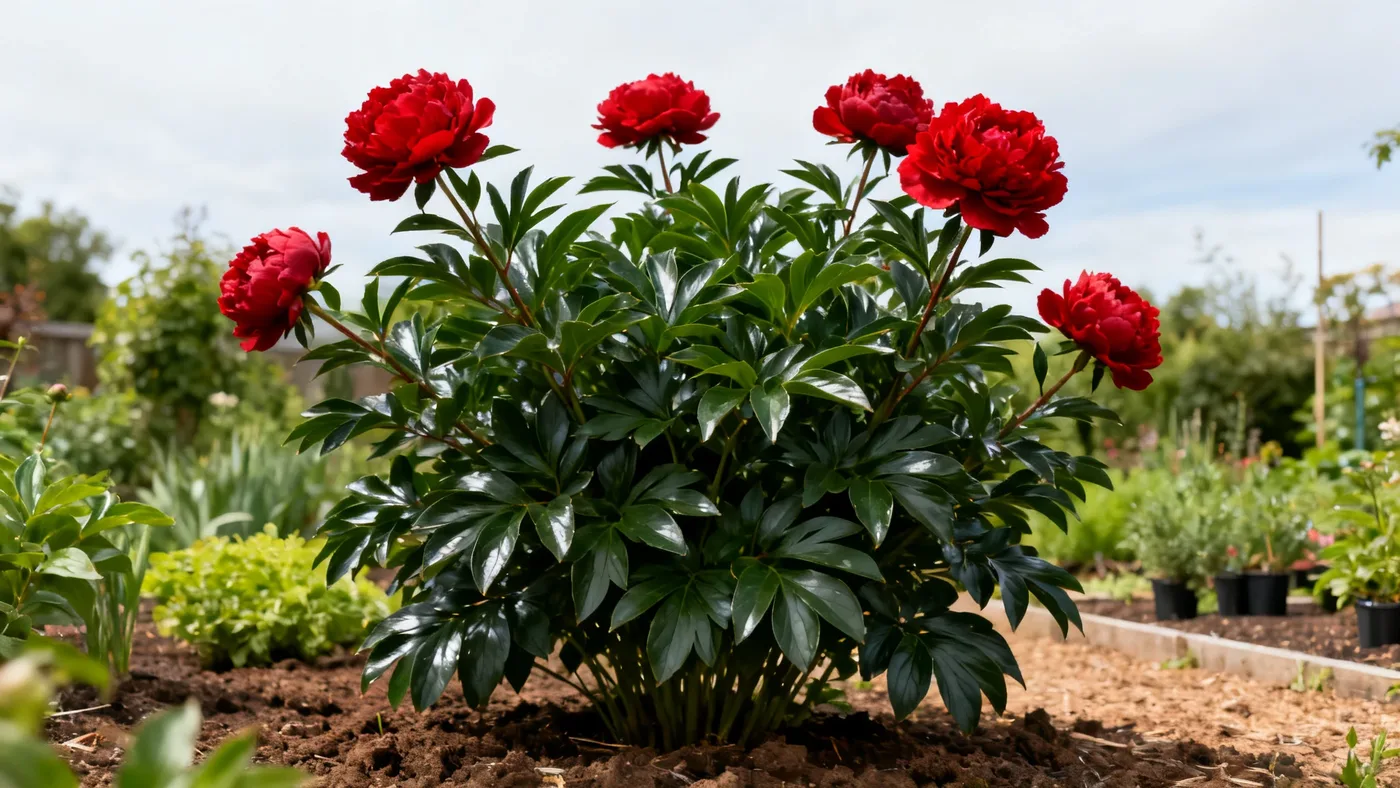
Is Red Sarah Bernhardt Peony Deer and Rabbit Resistant?
If you garden in deer country, the question "Are peonies really deer resistant?" probably crosses your mind every season. Red Sarah Bernhardt Peony has built a reputation for holding its own against browsing wildlife, but gardeners often wonder whether that reputation is justified or simply garden folklore. The answer is more nuanced than a simple yes or no, and understanding the reality helps you plant with confidence and manage expectations.
Evidence indicates that Red Sarah Bernhardt Peony offers good deer and rabbit resistance, meaning it is generally avoided by both species in established landscapes. However, like most plants marketed as "deer resistant," this resistance has limits. The difference between protected foliage and a grazed garden often comes down to hunger level, plant availability, and what you plant alongside your peonies.
Myth 1: Peonies Aren't Really Deer Resistant, That's Just Marketing
The myth: Gardeners often assume that claims about deer-resistant plants are exaggerated marketing. According to this thinking, if deer are hungry enough, they will browse anything, making the term "deer resistant" meaningless.
The truth: Research suggests that deer resistance is real, though not absolute. Peonies, including Red Sarah Bernhardt, produce compounds in their foliage and roots that make them unpalatable to deer. Their tough, waxy leaves and dense growth habit create a plant that deer prefer to avoid. Studies from university extension services consistently rank peonies among the most reliable deer-resistant perennials for mixed borders and foundation plantings.
Why the myth exists: The term "deer resistant" does have limits. A hungry deer population with limited food sources may browse plants they would normally avoid. Heavy winter snow and early frosts can starve deer, pushing them to explore less-preferred plants. Additionally, not all deer populations behave the same. Urban deer habituated to human presence may be bolder grazers than their rural counterparts. When you see deer damage on "resistant" plants, it is often because conditions were exceptional, not because the resistance claim was false.
If you live in a high-deer-pressure area, plant Red Sarah Bernhardt Peony as part of a diverse landscape. Mixing resistant plants reduces the likelihood that deer will target your garden as a food source. Grouping peonies with other unpalatable plants like roses, bearded iris, catmint, and salvia creates a more convincing barrier to browsing.
Myth 2: Rabbits Destroy Peonies Just as Badly as Deer
The myth: Many gardeners assume that if a plant resists deer, rabbits will still eat it. This myth suggests that rabbit pressure is a separate problem requiring separate solutions.
The truth: Red Sarah Bernhardt Peony is resistant to both deer and rabbit damage. While deer prefer to browse the upper foliage and stem tips, rabbits are more likely to strip bark from young shoots and nibble low-growing foliage. Peonies, which mature to 24-36 inches tall with thick stems and unpalatable leaves, are simply not an attractive rabbit target. Their dense, sturdy growth gives rabbits little to exploit.
Why the myth exists: Rabbits damage some plants that deer avoid, such as young tender transplants and certain vegetables. Gardeners who have seen rabbit damage in one part of their landscape may assume it is a blanket problem. Additionally, rabbits can cause damage in very specific ways, such as chewing bark on woody stems during harsh winters. If you see damage that looks like it could be rabbit-related, it is often from other causes like sunscald, frost crack, or vole damage.
The thick, glossy, deeply lobed compound leaves of Red Sarah Bernhardt Peony make it an undesirable food source for rabbits. The plant's established root system means that rabbits cannot simply dig it out like they can with shallow-rooted seedlings. Once your peonies are in the ground for a season or two, rabbit pressure becomes a non-issue.
Myth 3: You Need Chemical Repellents to Protect Peonies from Deer
The myth: Some gardeners believe that planting deer-resistant perennials alone is insufficient, and that chemical or commercial repellents are necessary insurance against browse damage.
The truth: Evidence indicates that established Red Sarah Bernhardt Peonies do not require chemical protection from deer or rabbits. Their natural resistance is strong enough to make them a dependable landscape plant without added interventions. University extension research confirms that peonies, as a group, are so reliably resistant that they are often planted in landscapes where other measures like fencing are impractical or unwanted.
Why the myth exists: The deer-repellent industry is substantial, and commercial products are heavily marketed to homeowners. Gardeners who have invested in these products may feel justified in their expense and recommend them to others. Additionally, some gardeners apply repellents to "everything," making it hard to know which plants actually needed them. When damage does not occur, it may feel like the repellent worked, when in fact the plant itself was already resistant.
This does not mean repellents are useless in all situations. If you are planting young, tender transplants in an area with very high deer pressure, a temporary application during the first season might reduce transplant shock from browsing. However, once Red Sarah Bernhardt Peonies are established and actively growing, repellents are unnecessary. Save your money and rely on the plant's built-in defense.
Myth 4: Deer Will Keep Returning if They Browse Your Peonies Once
The myth: Some gardeners believe that any browsing event is a "gateway" that brings repeated damage. The thinking goes that if deer find one palatable plant, they will check your garden regularly.
The truth: Deer develop feeding routes based on the availability of preferred plants. Red Sarah Bernhardt Peony's resistance means that even if deer do encounter it, they learn quickly that it is not worth eating. Research suggests that deer avoid revisiting areas where they consistently fail to find suitable food. By surrounding your peonies with other resistant, unappealing plants, you actually discourage repeat visits.
Why the myth exists: Gardeners who have seen deer in their yard become anxious about repeated visits. Any damage, whether to peonies or to nearby susceptible plants, feels like part of an escalating problem. In reality, persistent deer pressure usually indicates the presence of highly preferred plants nearby, not a learned behavior that leads to all-plant grazing.
The spacing of Red Sarah Bernhardt Peonies matters here. Plant them 3-4 feet apart to create a dense, established clump quickly. Mature peonies with large leaf masses are more imposing and visually less appealing to deer than isolated young plants. In 3-5 years, your peony grouping will present a unified, unpalatable barrier that deer will simply pass by.
Why Peonies Are Genuinely Resistant: The Science
Red Sarah Bernhardt Peonies resist deer and rabbit browse because of multiple overlapping factors. Their foliage contains bitter compounds that are unpalatable. Their leaves are tough and waxy, requiring more effort to chew than softer alternatives like hostas or newly emerging perennials. Their stems are sturdy and not tender. And their growth habit is dense and upright, not sprawling and easily grazed.
Additionally, peonies are long-lived perennials. A single planting of Red Sarah Bernhardt grows and thickens over years, eventually reaching a full mature spread around 24-36 inches wide. This size and substance make the plant progressively less appetizing to wildlife. Young, newly planted peonies are more vulnerable than established ones, which is why spacing and early establishment matter.
Consistent watering during establishment ensures strong roots and vigorous growth, which naturally improves the plant's ability to resist damage from browsing wildlife.
What Actually Attracts Deer to Gardens
If you have persistent deer pressure despite planting resistant varieties, the culprit is usually nearby susceptible plants. Deer target hostas, daylilies, tulips, arborvitae, young tree seedlings, and new vegetable gardens. A single planted bed of favored plants is enough to draw deer into a yard repeatedly. By eliminating or protecting those plants, you reduce overall browse pressure on everything else, including your peonies.
Fencing also matters. A simple 4-5 foot fence around a vegetable garden or young ornamental bed protects both that area and reduces the incentive for deer to investigate the rest of your landscape. Red Sarah Bernhardt Peonies positioned outside the fenced area benefit from the reduced foot traffic and overall lower pressure.
Quick Reference: Red Sarah Bernhardt Peony Deer and Rabbit Resistance
| Factor | Details |
|---|---|
| Deer Resistance | Good, generally avoided by deer |
| Rabbit Resistance | Good, generally avoided by rabbits |
| Mature Height | 24-36 inches (out of reach for many small grazers) |
| Planting Spacing | 3-4 feet apart (creates dense visual barrier when mature) |
| Time to Full Maturity | 3-5 years (resistance increases as plant grows) |
| Chemical Repellents Needed | No, not for established plants |
| Best Used In | Mixed borders grouped with other resistant plants like roses, iris, catmint, and salvia |