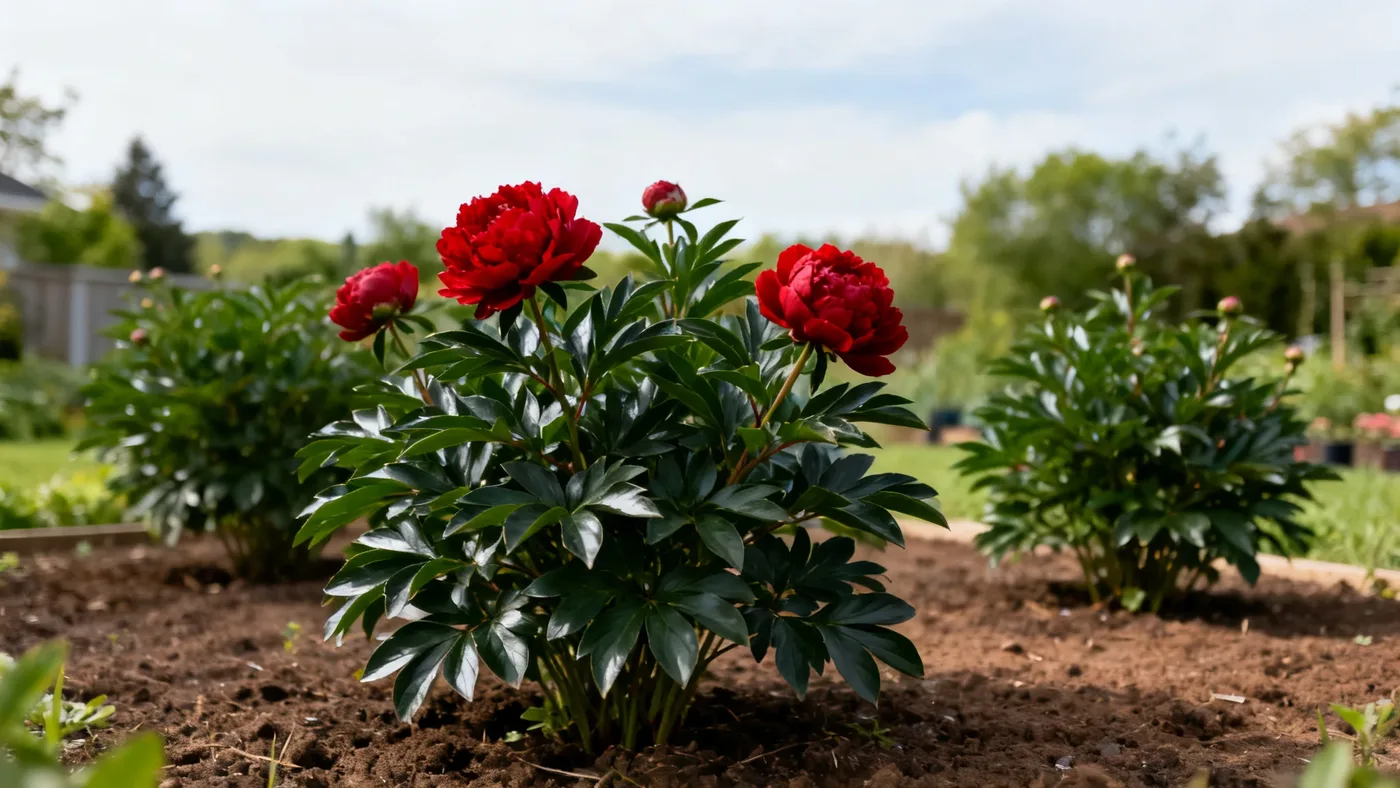
Common Red Sarah Bernhardt Peony Pests and Diseases
Red Sarah Bernhardt Peonies are remarkably resilient plants, but like any garden perennial, they can fall prey to pests and diseases that weaken blooms and foliage. Most problems are preventable or manageable with early detection and the right approach. This guide covers the red sarah bernhardt peony problems you're most likely to encounter, from botrytis blight peony fungus to sap-sucking insects, and tells you exactly what to do when you spot them.
1. Botrytis Blight (Gray Mold)
Botrytis blight is the most common fungal disease on peonies, especially in cool, humid springs. You'll notice it as fuzzy gray or brown mold on buds, flowers, or new shoot tips. The affected tissue becomes soft and rots quickly. On leaves, you might see tan or brown spots that expand outward. Botrytis thrives when air circulation is poor and foliage stays wet for prolonged periods, particularly after rain or overhead watering.
This disease is especially problematic in zones 3-5, where spring stays damp longer. If your peony is crowded by other plants or sits in a low-lying area where moisture pools, botrytis blight peony outbreaks are more likely. The fungus overwinters in infected plant debris, so sanitation is your first line of defense.
What to do: Remove and dispose of infected buds or flowers immediately. In fall, cut your peony foliage back to 2-3 inches above ground and remove all plant material from the bed. Avoid overhead watering, especially in morning or evening; water at the soil level instead. Space your red sarah bernhardt peony at least 3-4 feet from neighboring plants to ensure air moves freely through the foliage. If blight appears again the following spring, apply a copper fungicide or sulfur spray at the first sign of fuzzy growth, following label directions for frequency.
2. Peony Scale
Peony scale insects are small, hard-shelled pests that attach themselves to peony stems and feed on plant juices. They look like tiny, bumpy crusts ranging from yellow to dark brown, roughly 1/8 inch across. Heavy infestations weaken stems, reduce vigor, and can cause branch dieback. You might notice sticky honeydew residue on leaves below heavily infested stems, which can attract ants and sooty mold. Peony scale is a common pest on established plants, particularly in warmer zones.
Scale insects reproduce slowly compared to other pests, but they're tough to kill once established because their waxy shells protect them from many sprays. A single plant can carry dozens or hundreds of scale without showing obvious decline, so regular inspections are worth your time.
What to do: Prune out heavily infested stems in late fall after the plant dies back. For light infestations, spray the bare stems in early spring (before leaves emerge) with dormant oil or insecticidal soap, which smothers the overwintering scales. In summer, if you spot new scale on green stems, spray with horticultural oil or neem oil according to label directions, timing applications for cooler parts of the day. Check your peony annually during the growing season to catch scale early.
3. Powdery Mildew
Powdery mildew appears as a white or grayish powdery coating on leaves, starting on the lower foliage and working upward. Unlike botrytis, this fungus thrives in dry conditions and poor air circulation. It doesn't kill the plant but makes foliage look unsightly and can reduce the plant's vigor over time. Peonies in partial shade or crowded conditions are more susceptible, especially if they're not getting the 6+ hours of direct sun they prefer.
Powdery mildew is more common later in the growing season, often appearing after your peony has finished blooming. It rarely affects the flowers themselves but can spread to adjacent plants if left unchecked. The spores overwinter on infected plant debris.
What to do: Make sure your peony receives full sun (6+ hours daily) and space plants 3-4 feet apart for good air flow. In fall cleanup, remove all infected leaves along with the foliage you cut back. If powdery mildew appears during the growing season, spray with sulfur or a potassium bicarbonate fungicide every 7-14 days until the coating clears. Don't spray during hot weather (above 85°F) as it can damage foliage. Early intervention prevents the problem from spreading.
4. Thrips and Aphids
Thrips are tiny, slender insects (less than 1/8 inch long) that rasp leaf tissue and flower petals, leaving silvery or bleached streaks and stippling. Aphids are larger, pear-shaped, and cluster on new growth and buds, sucking sap and sometimes transmitting viruses. Both feed by piercing plant cells, weakening the plant and distorting blooms. You might notice sticky honeydew droppings on leaves or buds, which attract ants and can lead to sooty mold. On red sarah bernhardt peony blooms, damage shows as pale or silvery patches on the petals.
Thrips are especially problematic when peonies flower in late spring to early summer (May-June), their peak feeding season. Aphids appear earlier, on emerging shoots. Both populations tend to explode in hot, dry weather.
What to do: Spray aphids and thrips with a strong stream of water to dislodge them; repeat every few days as needed. For heavier infestations, apply insecticidal soap or neem oil to cover all leaf surfaces (tops and bottoms), following label directions for safety and frequency. Avoid broad-spectrum pesticides, which kill beneficial insects like bees. Once your peonies bloom, stop spraying to protect pollinators. Monitor regularly and treat early infestations before populations build.
5. Phytophthora Blight and Root Rot
Phytophthora is a water-loving fungal pathogen that attacks the crown and roots of peonies, particularly in waterlogged soil. You'll see yellowing or wilting foliage that progresses despite adequate water, or brown mushy spots at the soil line. Affected stems may collapse at the base. The roots, if you dig them up, will be dark and mushy rather than firm and white. This disease is serious because it can kill the entire plant if not caught early.
Peonies are intolerant of soggy or waterlogged soil, making poor drainage the primary risk factor. Heavy clay soils, low-lying areas, or sites with poor surface drainage invite phytophthora problems. The disease is more prevalent in rainy seasons or in zones with heavy spring moisture.
What to do: Improve drainage before planting or if you suspect root rot. Red sarah bernhardt peonies need fertile, well-drained loam rich in organic matter; amend heavy soils with compost and ensure water drains away within a few hours of rain. If phytophthora appears, there's no reliable fungicide; the best option is to excavate the affected plant, dispose of the soil around it, and replant with a new peony in amended, well-draining soil or a different location. Do not replant in the same spot for at least one to two years. Avoid overhead watering, which can splash spores from soil to foliage.
6. Bud Blast
Bud blast occurs when flower buds form but fail to open, dropping off before bloom. The buds dry up or turn brown and papery before the flowers ever emerge. This is maddening after waiting months for blooms. Bud blast has two main causes: late spring frosts that injure developing buds, or insufficient winter chilling. Red sarah bernhardt peonies need a period of winter cold to set buds properly, particularly in warmer zones. If you live in zone 8 or warmer, you're more likely to see this problem.
Other contributing factors include severe stress from drought or transplant shock, or planting the crown too deep. Peonies planted with their eyes more than 1-2 inches below the soil surface often fail to bloom or produce weak buds prone to blasting.
What to do: Plant your peony in fall (preferred) or early spring while dormant, ensuring the crown's eyes sit no more than 1-2 inches below soil level. Water regularly while the plant establishes. If frost threatens after buds form, water the planting bed well before the freeze, which moderates soil temperature slightly. In warmer zones (7-8), choose a location with afternoon shade to keep the plant cooler. Peonies mature slowly, taking 2-3 years to reach significant bloom, so avoid moving or disturbing the plant once established. If bud blast happens one year, don't panic; it's often a one-time event.
7. Flopping Stems
Red sarah bernhardt peonies produce double flowers with full, heavy petals. These lush blooms can weigh down stems, especially after rain, causing them to flop onto adjacent plants or the ground. The flowers end up muddy or damaged, and the plant looks disheveled. This is technically not a pest or disease, but it's a common problem that frustrates growers.
Flopping is more pronounced in shaded sites, where stems grow taller and lankier as the plant reaches for light. Plants that receive 6+ hours of full sun develop stockier stems better able to support the blooms. Overcrowding also exacerbates the problem, as stems compete for space and light.
What to do: Plant your peony in full sun (6+ hours) and space plants 3-4 feet apart to encourage sturdy, upright growth. Install peony supports or tomato cages over the plant early in spring, as new shoots emerge. The foliage will grow through the support and hide it. As buds form, the support will cradle the stems and keep blooms upright. Remove the support after the plant dies back in fall. For established peonies already flopping, stakes inserted on the outer edge of the clump can prop up heavy stems during bloom season.
Quick Reference: Pests and Diseases at a Glance
| Problem | Signs | Best Control | Prevention |
|---|---|---|---|
| Botrytis Blight | Fuzzy gray mold on buds, flowers, or shoots | Remove infected parts; copper or sulfur spray in spring | Avoid overhead water; space 3-4 ft apart; clean up fall debris |
| Peony Scale | Bumpy crusts on stems; honeydew and sooty mold | Prune infested stems; dormant oil in early spring | Annual inspection; remove heavily infested stems |
| Powdery Mildew | White powdery coating on lower leaves | Sulfur or potassium bicarbonate spray every 7-14 days | Full sun (6+ hours); good air circulation; fall cleanup |
| Thrips & Aphids | Silvery streaks on leaves/petals; sticky residue | Water spray; insecticidal soap or neem oil | Remove alternate hosts nearby; monitor regularly |
| Phytophthora Root Rot | Yellowing, wilting despite water; mushy brown crown | Excavate plant; improve drainage; replant in amended soil | Well-drained soil; avoid waterlogged sites; no overhead water |
| Bud Blast | Buds form but drop or fail to open | Ensure proper planting depth; water during establishment | Plant eyes 1-2 in below soil; provide winter chill; avoid transplanting |
| Flopping Stems | Heavy blooms bend stems to ground, especially after rain | Install peony cage or stakes early in spring | Full sun; proper spacing (3-4 ft); sturdy support structure |
Key Takeaway: Most red sarah bernhardt peony problems are preventable through good site selection (full sun, well-drained soil), proper spacing, and attentive sanitation. Water at the soil level, not overhead, and inspect plants regularly during the growing season. Early detection and swift action keep minor pest and disease issues from becoming serious threats. For detailed care instructions, see our complete red sarah bernhardt peony care guide.