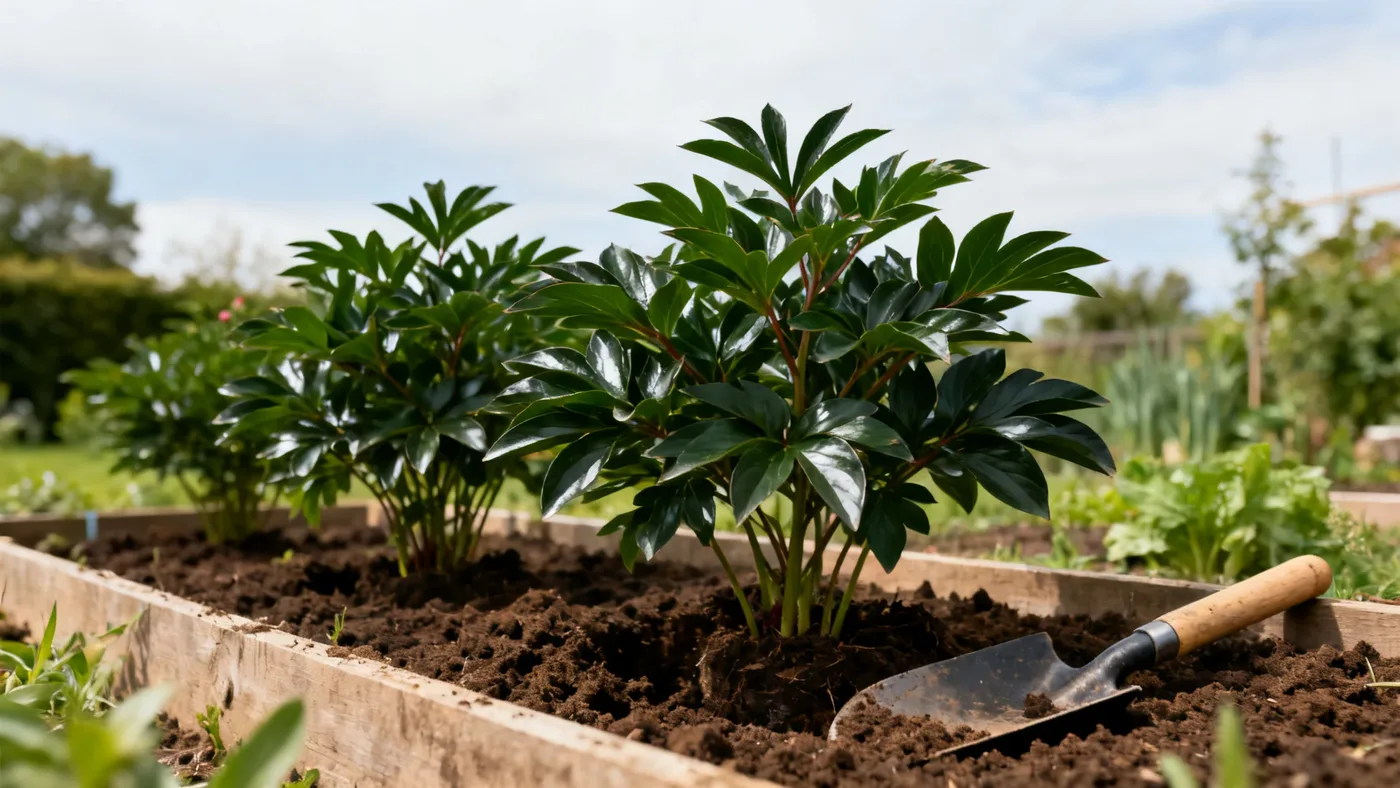
How Much to Water Red Sarah Bernhardt Peony Plants
Red Sarah Bernhardt Peony plants are moderately thirsty during their first season but become surprisingly self-sufficient once established. Knowing the right watering rhythm for each growth stage prevents the two biggest peony problems: root rot from soggy soil and weak blooms from insufficient water during spring growth. This guide walks you through watering from planting day through full maturity, with specific signs to watch for and adjustments for your local climate.
Understanding Red Sarah Bernhardt Peony Water Needs
Red Sarah Bernhardt Peony requires moderate water. This means the soil should stay consistently moist, not waterlogged, during the active growing season. Once established after 2 to 3 years, these peonies become moderately drought tolerant and need far less frequent watering. The critical difference is this: the plant is intolerant of soggy or waterlogged soil, which can trigger root rot and the soil-borne disease phytophthora blight.
The golden rule is drainage. Your Red Sarah Bernhardt Peony must sit in fertile, well-drained loam rich in organic matter. If your garden soil drains poorly, amend it with compost and peat before planting, or build a raised mound to ensure water doesn't pool at the crown. A poorly draining site will fail your peony regardless of how carefully you water.
Watering Schedule by Season and Plant Age
Newly Planted Peonies (First 12 Months)
A newly planted Red Sarah Bernhardt Peony requires regular watering while establishing its root system. This means watering deeply every 2 to 3 days for the first 4 weeks after planting, assuming no rain. By week 5, step back to once per week if rainfall is light. Always check the soil before watering: if the top 2 inches feel dry, water. If it feels moist, wait another day or two.
Water at soil level only, never overhead on the foliage. Overhead watering promotes fungal diseases like powdery mildew and leaf spot. Use a soaker hose or drip line if possible, delivering water slowly to the base of the plant. Slow watering allows the soil to absorb moisture deeply rather than running off the surface.
Maturing Peonies (Year 2 Forward)
Once your Red Sarah Bernhardt Peony has completed its first growing season, reduce watering frequency. During the second and third years as the clump thickens, water deeply once per week during the growing season (spring through early summer) if rainfall is less than 1 inch per week. By year 3 to 4, when the plant reaches its mature spread of 24 to 36 inches, you may water every 10 to 14 days unless conditions are exceptionally hot or dry.
In late summer and fall, reduce watering further. Peonies naturally slow their growth, and overwatering during this period can cause soft, weak stems and reduced flowering the following spring. The foliage will eventually turn bronze, burgundy, or reddish before dying back after frost. This is normal and signifies the plant is entering dormancy.
Step-by-Step Watering Guide
Materials You Will Need
- Soaker hose or drip irrigation line (recommended)
- Watering can or standard garden hose with flow control
- Mulch: 2 to 3 inches of wood chips, shredded bark, or compost
- Soil moisture meter or your finger for checking soil
- Timer (optional, but useful for consistent watering)
The Watering Process
Step 1: Check the soil before every watering. Push your finger or a moisture meter 2 inches into the soil at the base of the plant. If it feels dry at that depth, water. If it feels moist or wet, wait 1 to 2 days and check again. Never water on a fixed schedule; adjust based on actual soil moisture.
Step 2: Apply water at soil level only. Position your soaker hose or drip line around the base of the peony, at least 3 to 4 inches away from the crown (the point where stems emerge from the ground). If using a handheld hose, direct water to the soil and away from the foliage. Water should flow slowly and steadily, soaking into the ground rather than pooling or running off.
Step 3: Water deeply, not frequently. Deliver water for 20 to 30 minutes per watering for an established plant, or until the soil feels moist to a depth of 6 to 8 inches. This deep watering encourages roots to grow downward, making the plant more drought tolerant over time. Shallow, frequent watering encourages shallow roots and weak plants.
Step 4: Add or maintain mulch after watering. Once the soil is moist, apply 2 to 3 inches of mulch (wood chips, shredded bark, or compost) around the base of the plant, keeping it 2 inches away from the crown. Mulch retains soil moisture, moderates soil temperature, and reduces the need for frequent watering during hot spells. Refresh mulch annually in fall.
Step 5: Observe and adjust for weather. If your region receives more than 1 inch of rain per week, skip watering that week. Heavy rain can saturate the soil, and additional watering risks waterlogging. During a drought or heat wave, you may need to water twice per week for a few days. The goal is steady, moderate moisture, not wet or dry extremes.
Signs of Overwatering and Underwatering
Overwatering Symptoms
Overwatering peonies symptoms include wilting leaves despite wet soil, yellowing or browning foliage starting from the bottom of the plant, soft or mushy stems, and a musty or earthy smell near the soil surface. These signs indicate root rot or phytophthora blight, both caused by prolonged waterlogging. Once root rot is severe, the plant cannot be saved, so prevention is your best tool.
Gray mold (botrytis blight) also thrives in wet conditions. If you notice gray, fuzzy growth on stems or flower buds, overhead watering or high humidity combined with poor air circulation is likely the cause. Remove affected stems immediately and switch to soil-level watering only.
Underwatering Symptoms
Underwatering peonies symptoms include dry, crispy leaf edges, smaller-than-normal flowers or bud blast (buds dropping before opening), and stems that look thin or weak. Bud blast during spring growth is often triggered by insufficient water combined with late frost or inadequate winter chill, so consistent spring watering is critical for flower production.
A severely underwatered peony may wilt during the hottest part of the day and recover in evening, but repeated stress reduces flowering for years to come. New peonies especially need consistent moisture during their first 2 to 3 years to establish a strong root system.
Watering Tips and Best Practices
Avoid overhead watering. Sprinklers or overhead irrigation wet the foliage, creating conditions for powdery mildew and leaf spot. Wet leaves also stay damp longer in low-light areas, compounding the problem. Always deliver water to the base of the plant.
Water in early morning. If the foliage does get wet, morning watering allows it to dry quickly as air temperature rises. Avoid evening watering, which leaves the plant wet overnight and increases disease pressure.
Mulch is your watering partner. A 2 to 3 inch layer of mulch around the peony reduces evaporation, keeps soil temperature stable, and can cut watering frequency by 25 to 30 percent during hot months. Refresh mulch in fall to decompose over winter and feed the soil.
Adjust for soil type and climate. Sandy soils drain very quickly and may need watering twice per week in summer. Clay soils hold moisture longer and may need watering only once every 2 weeks once established. If you live in a hot, dry climate, increase watering frequency. In cool, wet regions, reduce it. Let your local weather and soil do the work.
Use drip irrigation or soaker hoses for consistency. If you travel or live a busy life, an on-timer drip line delivers water consistently without you standing with a hose. This is especially valuable during the first year of establishment and during heat waves when watering demand spikes.
Do not fertilize while watering heavily. Heavy nitrogen fertilizers applied during peak watering season can cause soft, sappy growth that is more prone to disease and flopping under the weight of the large double blooms. A light application of low-nitrogen, phosphorus-rich fertilizer (such as bone meal or a balanced 5-10-10 formula) in early spring as shoots emerge is plenty.
Remember: once established, Red Sarah Bernhardt Peony is drought tolerant. By year 4 onward, your peony can survive extended periods of dry weather without supplemental watering. This low-maintenance nature is one reason peonies thrive in cutting gardens and mixed perennial borders for decades with minimal fuss.
Watering for Blooming and Flowering
Red Sarah Bernhardt Peony blooms in late spring to early summer (typically May-June, with timing varying by your USDA zone). During the 4 to 6 weeks before and after bloom, consistent moisture is critical. The plant is building flower buds and directing energy into those spectacular double red blooms. Inconsistent watering during this window causes bud blast and weak flowers.
Once the blooms fade and you deadhead spent flowers to redirect energy back into the plant, you can reduce watering slightly. The plant is no longer pushing energy into reproduction and is consolidating its strength into roots and next year's buds. However, continue to water during dry spells through mid-July to support healthy foliage.
For information on complete seasonal care and how to support your Red Sarah Bernhardt Peony year-round, refer to the complete Red Sarah Bernhardt Peony care guide.
Quick Reference: Watering Checklist by Plant Age and Season
| Plant Age & Season | Watering Frequency | Soil Moisture Goal | Key Notes |
|---|---|---|---|
| Year 1: Spring & Early Summer (establishment) | Every 2-3 days for 4 weeks, then weekly | Moist to 6-8 inches deep | No overhead watering. Mulch after watering. Check soil before each watering. |
| Year 1: Late Summer & Fall | Every 7-10 days as growth slows | Moist but not waterlogged | Reduce frequency as foliage dies back. Avoid wet soil in dormancy. |
| Year 2-3: Spring & Summer (growth & bloom) | Once per week if rainfall <1 inch/week | Consistently moist | Critical for flower bud development. Deep, slow watering. Deadhead spent blooms. |
| Year 2-3: Late Summer & Fall | Every 10-14 days | Dry between waterings | Plant naturally slowing. Reduce frequency. Prepare for dormancy. |
| Year 4+: Spring & Summer (mature plant) | Every 10-14 days, skip if rainfall adequate | Moist, but drought tolerant | Established root system handles dry spells. Water during heat waves or drought. |
| Year 4+: Late Summer & Fall | Minimal to none (let natural rain dominate) | Allow some drying | Mature plants very drought tolerant. Overwatering risks root rot. |
When in doubt, let the soil be your guide. A well-drained, organic-rich soil and your own fingertip moisture check will always outperform any fixed watering schedule. Red Sarah Bernhardt Peony rewards consistency, not guesswork.